How Did These Fruits Get Their Names in English?

How Kiwifruits Got Their Name Kiwifruit were first found in the Chang Kiang Valley of China and as they spread to other parts of the world, they were called Chinese gooseberries. They were named ‘kiwifruit’ in the mid twentieth century. The new name refers to the furry covering that resembles the kiwi bird. Kiwifruits in… Read More

Confusing words: Thank or Thanks God it’s Friday?

“Thank God” is actually a shortened version of “Thanks be to God” which means that you are telling the others (your friends or whoever) that you are thankful to God. “Thank God” is in the same way as “Praise God”. “Thank God” is also correct because you are using “Thank” as a verb I (we)… Read More

Confusing words: mugwump

Origin: The Mugwumps were Republican political activists who bolted from the United States Republican Party by supporting Democratic candidate Grover Cleveland in the United States presidential election of 1884. Theyswitched parties because they rejected the financial corruption associated with Republican candidate James G. Blaine. In a close election, the Mugwumps supposedly made the difference in… Read More

Politically correct English

As we progress in the 21st century, more and more everyday English terms are considered offensive. Although there are many categories in which words have been changed such as racial and ethnic groups, age, ilness and disabilities, and sexual preferences, among others, it is in gender that these changes are more noticeable: Gender is an… Read More

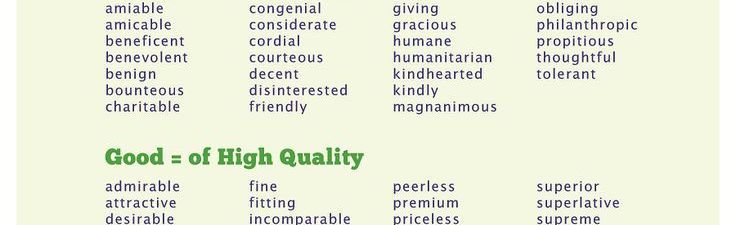
Fun with words: 100 ways to say “good”

  ɡo͝od/ adjective adjective: good; comparative adjective: better; superlative adjective: best 1. to be desired or approved of. “we live at peace with each other, which is good” synonyms: healthy, fine, sound, tip-top, hale and hearty, fit, robust, sturdy, strong,vigorous More antonyms: poor, ill pleasing and welcome. “she was pleased to hear good news about him” expressing approval. “the play had good reviews” 2. having the qualities… Read More

Language of the New Generation: Human Resources Acronyms

It is clear that the youngest generation entering the workforce has different communication experiences, and companies are beginning to see the results incorporated into work-related communication methods. The newest generation, also known as (AKA) millenials, has always had access to a cellular phone, an internet connection, and digital music using an MP3 player. Text messaging… Read More

Origin of the word “OK”

There have been numerous attempts to explain the emergence of this expression, which seems to have swept into popular use in the US during the mid-19th century. Most of them are pure speculation. It does not seem at all likely, from the linguistic and historical evidence, that it comes from the Scots expression och aye, the Greek ola kala (‘it is good’), the Choctaw… Read More

How can I speak better English?

English is not an easy language to master. But don’t give up! To improve your spoken English, read and bookmark this excellent article by British English Coach. It’s long, but it will be extremely helpful. Posted by dilano in English learning blog If you’re reading this, I imagine you want to communicate with confidence and competence in English. When we communicate… Read More

An Ode to English Plurals

An ode to English Plurals Attibuted to Eugenie A. Nidia We’ll begin with a box, and the plural is boxes, But the plural of ox becomes oxen, not oxes. One fowl is a goose, but two are called geese, Yet the plural of moose should never be meese. You may find a lone mouse or… Read More