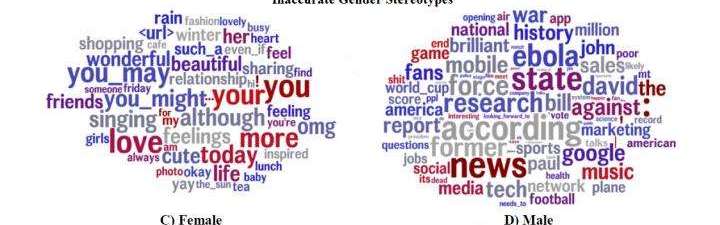
Homens de verdade não dizem “que lindo”. Psicologistas usam linguagem do Tweeter para analisar estereótipos

O que há em um tweet? Do gênero à educação, as palavras usadas nas mídias sociais carregam impressões para os outros. Usando tweets publicamente disponíveis, psicólogos sociais e cientistas da computação do Centro de Psicologia Positiva da Universidade de Pensilvânia, Alemanha e Austrália estão nos ajudando a analisar os estereótipos formados por escolhas de palavras… Read More

Cérebro “lê” frases da mesma forma em português ou inglês

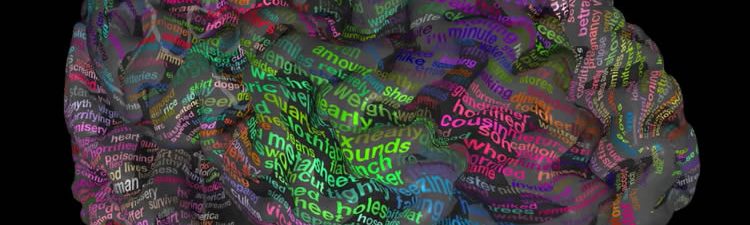
Uma equipe de pesquisa internacional liderada pela Universidade Carnegie Mellon descobriu que quando o cérebro “lê” ou decodifica uma frase em inglês ou português, seus padrões de ativação neural são os mesmos. Publicado em NeuroImage, o estudo é o primeiro a mostrar que diferentes línguas têm assinaturas neurais semelhantes para descrever eventos e cenas. Utilizando… Read More

Collocation, collocation, collocation (Brazilian learners)

What is a collocation? A collocation is two or more words that often go together. These combinations just sound “right” to native English speakers, who use them all the time. On the other hand, other combinations may be unnatural and just sound “wrong”. Look at these examples: Natural English… Unnatural English… the fast train fast… Read More

Would you sacrifice one person to save five? Such moral choices could depend on whether you are using a foreign language or your native tongue.

A new study from psychologists at the University of Chicago and Pompeu Fabra University in Barcelona finds that people using a foreign language take a relatively utilitarian approach to moral dilemmas, making decisions based on assessments of what’s best for the common good. That pattern holds even when the utilitarian choice would produce an emotionally… Read More

Speaking two languages benefits the aging brain

New research reveals that bilingualism has a positive effect on cognition later in life. Findings published in Annals of Neurology, a journal of the American Neurological Association and Child Neurology Society, show that individuals who speak two or more languages, even those who acquired the second language in adulthood, may slow down cognitive decline from aging. Bilingualism… Read More

How Language Seems To Shape One’s View Of The World

by ALAN YU Lera Boroditsky once did a simple experiment: She asked people to close their eyes and point southeast. A room of distinguished professors in the U.S. pointed in almost every possible direction, whereas 5-year-old Australian aboriginal girls always got it right. She says the difference lies in language. Boroditsky, an associate professor of cognitive science… Read More

BIRD GEI: Pesquisa de Proficiência em Inglês no Brasil – 2015

A BIRD GEI | Consultoria e Gestão de Idiomas está divulgando a 11ª Pesquisa de Produtividade no Aprendizado de Idiomas no Brasil. Acompanhamos anualmente o desempenho, indicadores e resultados de aproximadamente 4.000 funcionários patrocinados pelas mais diversas empresas, mapeando e quantificando o aproveitamento e a produtividade dos alunos. Na pesquisa atual, que abrange o ano de 2015,… Read More

Pirahã People: carpe-diem culture doesn’t allow for abstract thought or complicated connections to the past — limiting the language accordingly

The Pirahã people (pronounced [piɾaˈhã]) are an indigenous hunter-gatherer tribe of Amazon natives, who mainly live on the banks of the Maici River in Brazil’s Amazonas state, in the territory of Humaitá and Manicoré municipality. As of 2004, they number about 360, which is sharply reduced from the numbers recorded in previous decades, and the… Read More