

We love school part III: an ironic and humorous look at the world of teaching from both teachers and students’ perspectives


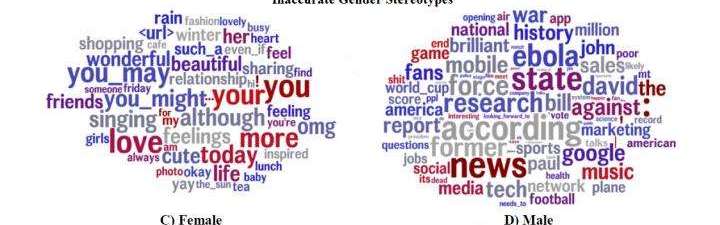
O que há em um tweet? Do gênero à educação, as palavras usadas nas mídias sociais carregam impressões para os outros. Usando tweets publicamente disponíveis, psicólogos sociais e cientistas da computação do Centro de Psicologia Positiva da Universidade de Pensilvânia, Alemanha e Austrália estão nos ajudando a analisar os estereótipos formados por escolhas de palavras… Read More

Uma equipe de pesquisa internacional liderada pela Universidade Carnegie Mellon descobriu que quando o cérebro “lê” ou decodifica uma frase em inglês ou português, seus padrões de ativação neural são os mesmos. Publicado em NeuroImage, o estudo é o primeiro a mostrar que diferentes línguas têm assinaturas neurais semelhantes para descrever eventos e cenas. Utilizando… Read More


$6.9 billion: Total Halloween consumer spending in the United States expected for 2015. 64: Percent of Americans who plan to celebrate Halloween this year. 41.2 million: Potential trick-or-treaters ages 5-14. $74.34: The average amount Americans will spend on candy, costumes, and decorations. $2.1 billion: Projected spending on Halloween candy in the U.S. in 2015. Homemade costume ideas… Read More
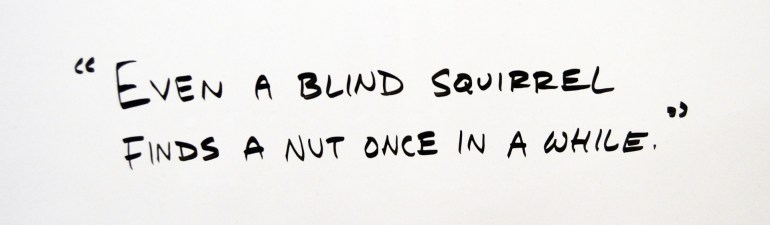
What is a collocation? A collocation is two or more words that often go together. These combinations just sound “right” to native English speakers, who use them all the time. On the other hand, other combinations may be unnatural and just sound “wrong”. Look at these examples: Natural English… Unnatural English… the fast train fast… Read More

Tel. 55 11 3862 1421 atendimento@bird.com.br http://www.bird.com.br Benchmarking em aquisição de idiomas: dúvidas? Agradecemos sua visita ao nosso site/blog. Se tiver alguma dúvida sobre nossas soluções de consultoria, de como podemos ajudar sua empresa a alcançar resultados mais eficazes no treinamento em idiomas ou quaisquer dúvidas ou sugestões, basta escrever no comentário abaixo ou solicitar um contato.

Members of the modern workforce might be surprised to learn that if they use the word “weekend” in a workplace email, chances are they’re sending the message up the org chart. The same is true for the words “voicemail,” “driving,” “okay” — and even a choice four-letter word that rhymes with “hit.” However a new… Read More

 birdgei.com