Confusing words: Less and Fewer

Use fewer with objects that can be counted one-by-one. Use less with qualities or quantities that cannot be individually counted. Incorrect: There were less days below freezing last winter. Correct: There were fewer days below freezing last winter. (Days can be counted.) Correct: I drank less water than she did. (Water cannot be counted individually… Read More

“F*@# you” sign language performance

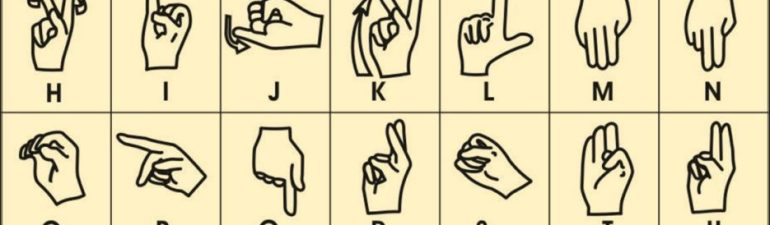
Many people don’t know but sign languages are in fact recognized languages. For deaf Brazilian people, LIBRAS (Língua Brasileira de Sinais – Brazilian Signs Language) is their first and native language. And, you guessed it, sign languages are NOT universal. The sign language in Brazil is different from any other sign language, and vice versa.… Read More

BIRD GEI: Pesquisa de Proficiência em Inglês no Brasil – 2011 Geração X vs. Y

A BIRD GEI | Consultoria e Gestão de Idiomas está divulgando a 7ª Pesquisa de Produtividade no Aprendizado de Idiomas no Brasil. Acompanhamos anualmente anualmente o desempenho, indicadores e resultados de aproximadamente 3.000 funcionários com cursos de idiomas patrocinados pelas mais diversas empresas e divulga os resultados sobre a produtividade do aprendizado de idiomas periodicamente. Estas pesquisas… Read More

Confusing words: Everyday and Every day

Everyday Everyday is an adjective that means commonplace, ordinary, or normal. ~ These shoes are great for everyday wear ~ You shouldn’t wear an everyday outfit to the wedding ~ Don’t use the everyday dishes – it’s a special occasion Every day Every day means “each day.” ~ I go to the park every day… Read More

Confusing words: Complement and Compliment

Complement is a verb, which means to make something seem better or more attractive when combined. For example: “The colours blue and green complement each other perfectly.” Compliment is a noun, which means a remark that expresses approval, admiration or respect. For example: “It was the nicest compliment anyone had ever paid me.” Tip! Having… Read More

Confusing words: Overtake Takeover Take Over

o·ver·take, oʊ vərˈteɪk/ Show Spelled [oh-ver-teyk] verb, -took, -tak·en, -tak·ing. verb (used with object) 1. to catch up with in traveling or pursuit; draw even with: By taking a cab to the next town, we managed to overtake and board the train. 2. to catch up with and pass, as in a race; move by:… Read More