

Second languages around the world

Beauty may be in the eye of the beholder–or the ear of the listener–but when it comes to discerning the most beautiful words in the English language, there’s some objectivity at play. Certain sounds make English speakers cringe; moist is a classic example. When said aloud, it can elicit not only irritation, but a negative physical reaction… Read More


If you want to name your baby girl Harriet, don’t live in Iceland. The country recently denied 10-year-old Harriet Cardew’s passport renewal request because her name doesn’t comply with Icelandic baby naming laws. Her name doesn’t appear on the approved list of 1,853 female and 1,712 boy names,The Guardian reports. Icelandic laws state that unless both parents… Read More

A new study from psychologists at the University of Chicago and Pompeu Fabra University in Barcelona finds that people using a foreign language take a relatively utilitarian approach to moral dilemmas, making decisions based on assessments of what’s best for the common good. That pattern holds even when the utilitarian choice would produce an emotionally… Read More

New research reveals that bilingualism has a positive effect on cognition later in life. Findings published in Annals of Neurology, a journal of the American Neurological Association and Child Neurology Society, show that individuals who speak two or more languages, even those who acquired the second language in adulthood, may slow down cognitive decline from aging. Bilingualism… Read More

The Information Age (also known as the Computer Age, Digital Age, or New Media Age) is a period in human history characterized by the shift from traditional industry that the industrial revolution brought through industrialization, to an economy based on information computerization. The onset of the Information Age is associated with the Digital Revolution, just as the Industrial Revolution marked the onset of the Industrial Age. During… Read More


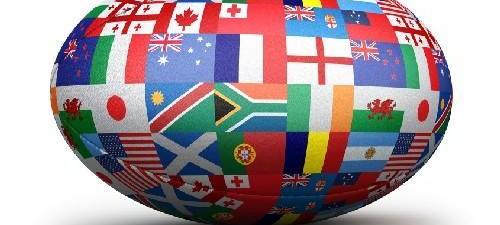
1. How many languages are there? It’s estimated that up to 7,000 different languages are spoken around the world. 90% of these languages are used by less than 100,000 people. Over a million people converse in 150-200 languages and 46 languages have just a single speaker! Languages are grouped into families that share a common… Read More

 birdgei.com