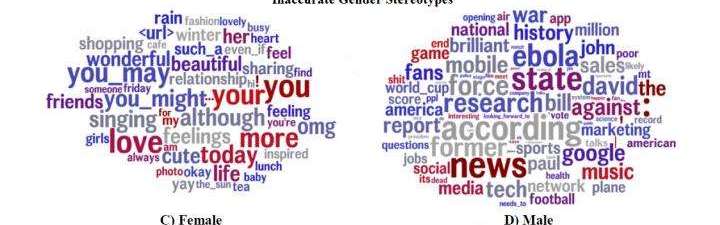
Homens de verdade não dizem “que lindo”. Psicologistas usam linguagem do Tweeter para analisar estereótipos

O que há em um tweet? Do gênero à educação, as palavras usadas nas mídias sociais carregam impressões para os outros. Usando tweets publicamente disponíveis, psicólogos sociais e cientistas da computação do Centro de Psicologia Positiva da Universidade de Pensilvânia, Alemanha e Austrália estão nos ajudando a analisar os estereótipos formados por escolhas de palavras… Read More
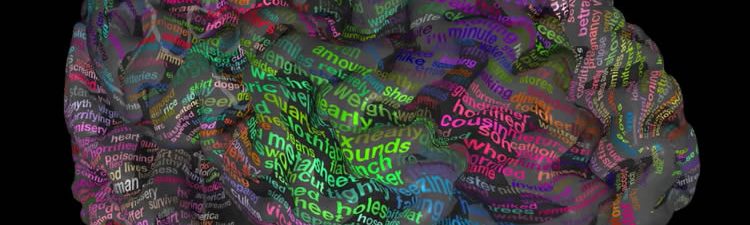
Cérebro “lê” frases da mesma forma em português ou inglês

Uma equipe de pesquisa internacional liderada pela Universidade Carnegie Mellon descobriu que quando o cérebro “lê” ou decodifica uma frase em inglês ou português, seus padrões de ativação neural são os mesmos. Publicado em NeuroImage, o estudo é o primeiro a mostrar que diferentes línguas têm assinaturas neurais semelhantes para descrever eventos e cenas. Utilizando… Read More

Collocation, collocation, collocation (Brazilian learners)

What is a collocation? A collocation is two or more words that often go together. These combinations just sound “right” to native English speakers, who use them all the time. On the other hand, other combinations may be unnatural and just sound “wrong”. Look at these examples: Natural English… Unnatural English… the fast train fast… Read More

Email Language Tips Off Work Hierarchy

Members of the modern workforce might be surprised to learn that if they use the word “weekend” in a workplace email, chances are they’re sending the message up the org chart. The same is true for the words “voicemail,” “driving,” “okay” — and even a choice four-letter word that rhymes with “hit.” However a new… Read More

The Ultimate English Pronunciation Challenge!?!

“The Chaos” is a poem demonstrating the irregularity of English spelling and pronunciation. Written by Dutch writer, traveller, and teacher Gerard Nolst Trenité (1870–1946), it includes about 800 examples of irregular spelling. The first version of 146 lines of text appeared in an appendix to the author’s 1920 textbook Drop Your Foreign Accent: engelsche uitspraakoefeningen,… Read More

5 Poets On The Most Beautiful Word In The English Language

Beauty may be in the eye of the beholder–or the ear of the listener–but when it comes to discerning the most beautiful words in the English language, there’s some objectivity at play. Certain sounds make English speakers cringe; moist is a classic example. When said aloud, it can elicit not only irritation, but a negative physical reaction… Read More

Would you sacrifice one person to save five? Such moral choices could depend on whether you are using a foreign language or your native tongue.

A new study from psychologists at the University of Chicago and Pompeu Fabra University in Barcelona finds that people using a foreign language take a relatively utilitarian approach to moral dilemmas, making decisions based on assessments of what’s best for the common good. That pattern holds even when the utilitarian choice would produce an emotionally… Read More

Speaking two languages benefits the aging brain

New research reveals that bilingualism has a positive effect on cognition later in life. Findings published in Annals of Neurology, a journal of the American Neurological Association and Child Neurology Society, show that individuals who speak two or more languages, even those who acquired the second language in adulthood, may slow down cognitive decline from aging. Bilingualism… Read More